


What is BPC-157 + TB-500?
BPC-157 & TB-500 Blend (Wolverine Peptide Blend) is a research formulation combining two bioactive peptides frequently investigated in studies of tissue signaling, cellular migration, and regenerative biology. The formulation includes BPC-157, a 15–amino acid pentadecapeptide derived from a protective peptide sequence identified in human gastric juice, and TB-500, a synthetic peptide derived from thymosin beta-4, a naturally occurring actin-regulating protein present in many mammalian tissues.
In experimental systems, the combination is studied as a model for examining how complementary peptide signaling pathways influence tissue remodeling and cellular repair responses.
BPC-157 (Body Protection Compound-157) consists of the amino acid sequence Gly-Glu-Pro-Pro-Pro-Gly-Lys-Pro-Ala-Asp-Asp-Ala-Gly-Leu-Val. In laboratory research, the peptide is investigated for its role in signaling pathways associated with nitric oxide regulation, angiogenic signaling cascades, and cellular stress responses. Experimental models often examine how BPC-157 influences endothelial signaling, vascular biology, and connective tissue cell behavior, including fibroblast activity and extracellular matrix dynamics. These pathways are relevant to research on tissue repair mechanisms in muscles, tendons, ligaments, bone, and gastrointestinal tissues [1,6,11].
Mechanistic investigations have explored how BPC-157 interacts with vascular signaling systems such as VEGFR2-associated pathways and nitric oxide–related signaling networks. These signaling pathways influence endothelial cell communication, angiogenic responses, and cellular survival under oxidative stress conditions. Additional research has examined the peptide's influence on fibroblast migration and collagen-associated signaling, which are important elements of connective tissue remodeling and structural tissue organization.
TB-500 (Thymosin Beta-4–derived peptide) represents a synthetic form of a biologically active region of thymosin beta-4, a protein involved in regulating actin cytoskeleton dynamics. In research models, TB-500 is frequently studied for its effects on cellular migration and cytoskeletal organization. By interacting with actin monomers and influencing actin filament formation, TB-500 can alter how cells move, attach, and reorganize within damaged or remodeling tissues. Because cell migration is a key step in tissue repair processes, TB-500 is often examined in experimental systems involving wound biology, vascular remodeling, and extracellular matrix organization [10].
Research literature also describes TB-500 as influencing inflammatory signaling pathways and cellular responses associated with tissue remodeling. These studies often investigate how actin-regulating peptides influence fibroblast movement, endothelial cell behavior, and the coordinated activity of immune and connective tissue cells within injury models.
Synergistic Research Mechanisms
When studied together, BPC-157 and TB-500 provide a framework for investigating complementary signaling mechanisms involved in tissue response and remodeling. BPC-157 research primarily focuses on angiogenic signaling and local vascular regulation, while TB-500 research centers on cytoskeletal regulation and cellular migration pathways. In combination, these signaling processes allow researchers to examine how vascular activation and cell migration interact during tissue repair and regeneration.
Experimental models investigating this peptide combination often measure parameters such as angiogenic marker expression, fibroblast migration, extracellular matrix remodeling, and connective tissue organization. Because BPC-157 is associated with signaling pathways that influence vascular formation and collagen-associated cellular responses, while TB-500 influences actin-driven cellular movement, the combination allows researchers to explore how structural tissue remodeling may be coordinated at multiple biological levels [1,5,6].
This dual-peptide model has therefore become useful in laboratory studies examining musculoskeletal biology, connective tissue remodeling, and integrated tissue repair signaling systems.
Purity & Quality
The BPC-157 & TB-500 Blend supplied by New England Biologics is produced using controlled solid-phase peptide synthesis (SPPS), followed by purification through high-performance liquid chromatography (HPLC) to isolate the target peptide sequences and remove synthesis byproducts or truncated fragments. Analytical verification procedures, including chromatographic purity profiling and mass spectrometry identity confirmation, are used to verify peptide identity, purity, and batch consistency.
Each production lot is evaluated to support consistent physicochemical properties such as solubility, molecular stability, and reproducibility during laboratory preparation and experimental workflows. Certificates of Analysis describing analytical testing and batch verification are available to support rigorous biochemical and signaling research.
This product is supplied strictly for laboratory research use and is not approved for human or veterinary applications.
BPC-157 & TB-500 Blend: Chemical Identity
BPC-157 & TB-500 Blend is a research peptide formulation composed of two distinct synthetic peptide sequences supplied within a single vial. BPC-157 is a pentadecapeptide consisting of 15 amino acids derived from a biologically active region of a gastric protein sequence, while TB-500 corresponds to a synthetic fragment of thymosin beta-4 that retains actin-binding regulatory activity observed in the native protein.
The structural properties of BPC-157 support stability in aqueous environments and interaction with signaling pathways linked to nitric oxide and angiogenic regulators. TB-500 retains sequence motifs associated with actin cytoskeleton modulation and cellular migration pathways.
Together, the peptides provide a dual-component system for investigating signaling interactions related to cytoskeletal regulation and extracellular matrix remodeling in experimental models.
BPC-157 Chemical Structure
BPC-157 2D Structure
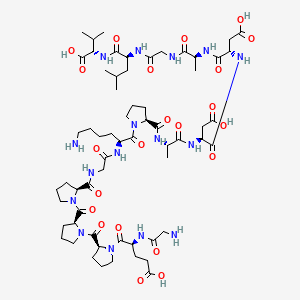
BPC-157 3D Structure

TB-500 2D Structure
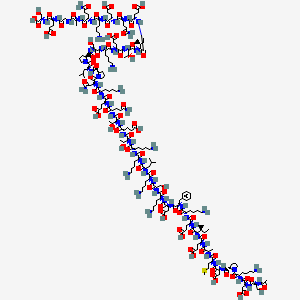
TB-500 3D Structure

Chemical Properties and Registry Information for BPC-157 & TB-500 Blend
The following chemical identifiers describe the molecular composition and registry information associated with this compound for laboratory research.
| Property | Information |
| Name & Synonyms | BPC-157 & TB-500 Blend; Wolverine Peptide Blend; BPC-157 / Thymosin Beta-4 Fragment Blend |
| PubChem CID | Not universally assigned for the blend. CID 9941957 – BPC-157; CID 45382195 – TB-500 |
| CAS Number | Not universally assigned; 137525-51-0 for BPC-157, 77591-33-4 for TB-500 |
| Molecular Formula | BPC-157 – C62H98N16O22 TB-500 – C212H350N56O78S |
| Molecular Weight | BPC-157 – 1419.5 g/mol TB-500 – 4963 g/mol |
| Peptide Length | BPC-157: 15 amino acids TB-500: 7 amino acids of the 43 amino acids in thymosin beta-4 |
| Compound Class | Synthetic research peptides |
| Primary Targets | Cytoskeletal regulation pathways; nitric oxide and angiogenic signaling systems, respectively |
| Sequence | BPC-157: GEPPPGKPADDAGLV TB-500: SDKPDMAEXEKFDKSKLKKXEXQEKNPLPSKEXXEQEKQAGES |
| InChIKey | BPC-157: HEEWEZGQMLZMFE-RKGINYAYSA-N TB-500: UGPMCIBIHRSCBV-UHFFFAOYSA-N |
| TB-500 IUPAC Name |
N-acetyl-DL-seryl-DL-alpha-aspartyl-DL-lysyl-DL-prolyl-DL-alpha-aspartyl-DL-methionyl-DL-alanyl-DL-alpha-glutamyl-DL-isoleucyl-DL-alpha-glutamyl-DL-lysyl-DL-phenylalanyl-DL-alpha-aspartyl-DL-lysyl-DL-seryl-DL-lysyl-DL-leucyl-DL-lysyl-DL-lysyl-DL-threonyl-DL-alpha-glutamyl-DL-threonyl-DL-glutaminyl-DL-alpha-glutamyl-DL-lysyl-DL-asparagyl-DL-prolyl-DL-leucyl-DL-prolyl-DL-seryl-DL-lysyl-DL-alpha-glutamyl-DL-threonyl-DL-isoleucyl-DL-alpha-glutamyl-DL-glutaminyl-DL-alpha-glutamyl-DL-lysyl-DL-glutaminyl-DL-alanyl-glycyl-DL-alpha-glutamyl-DL-serine
|
|---|---|
| BPC-157 IUPAC Name |
glycyl-L-alpha-glutamyl-L-prolyl-L-prolyl-L-prolyl-glycyl-L-lysyl-L-prolyl-L-alanyl-L-alpha-aspartyl-L-alpha-aspartyl-L-alanyl-glycyl-L-leucyl-L-valine
|
BPC-157 & TB-500 Blend combines two structurally distinct peptides that influence complementary biological pathways frequently examined in regenerative biology research. BPC-157 is a stable 15 amino acid peptide sequence associated with modulation of nitric oxide related signaling and angiogenic regulatory pathways in experimental systems. TB-500 represents a synthetic fragment of thymosin beta-4 that retains functional motifs involved in actin cytoskeleton regulation and cellular migration processes.
When studied together in laboratory models, the BPC-157 & TB-500 Blend allows researchers to investigate interactions between cytoskeletal dynamics, angiogenic signaling pathways, and extracellular matrix remodeling processes.
The combination of these peptides can provide a useful experimental framework for examining coordinated signaling mechanisms that influence cell movement, structural organization, and tissue remodeling responses in controlled biochemical and cellular research systems.
BPC-157 & TB-500 Blend: Research Applications
BPC-157 & TB-500 Blend is used in laboratory research as a dual-peptide tool for studying interconnected pathways involved in cellular migration, cytoskeletal organization, angiogenic signaling, extracellular matrix turnover, and tissue remodeling.
In experimental models, the blend is relevant because BPC-157 and thymosin beta-4 derived peptides have been investigated in overlapping but mechanistically distinct systems, allowing researchers to examine how nitric oxide linked signaling, growth factor responses, and actin-dependent cellular behavior may interact in controlled settings.
Connective Tissue and Musculoskeletal Research
BPC-157 & TB-500 Blend is frequently examined in experimental systems related to connective tissue biology and musculoskeletal signaling. In preclinical models, BPC-157 has been investigated for its influence on angiogenic signaling, nitric-oxide–linked pathways, and fibroblast activity associated with tendon and ligament biology [1][6][11]. Laboratory studies have also reported changes in growth hormone receptor expression in tendon fibroblasts exposed to BPC-157, suggesting a role in connective-tissue signaling environments [5].
TB-500, derived from thymosin beta-4, contributes a complementary mechanism centered on actin cytoskeleton regulation and cellular migration. Because actin dynamics influence how fibroblasts, endothelial cells, and other repair-associated cells move within tissues, thymosin beta-4–related peptides are often studied in models examining structural remodeling and connective tissue organization [10].
Together, these signaling systems provide a framework for investigating how angiogenic signaling, cytoskeletal organization, and fibroblast-mediated extracellular matrix processes interact in laboratory models of tendon, ligament, and musculoskeletal tissue biology.
Skeletal Muscle and Cellular Regeneration Models
Another area of investigation involves skeletal muscle regeneration and tissue remodeling pathways. Experimental literature describes BPC-157 as influencing angiogenic signaling and nitric-oxide–related pathways that affect vascular response and cellular stress signaling in injured or metabolically active tissue environments [1][6][11]. Because vascular supply and endothelial signaling are closely linked with muscle regeneration processes, these pathways are frequently explored in muscle biology models.
TB-500 contributes to these experimental systems through its well-characterized actin-binding properties. Thymosin beta-4–derived peptides regulate actin filament dynamics, which influences cellular motility, migration of repair-associated cells, and structural remodeling within regenerating tissue [10]. Studies examining thymosin beta-4 biology also report roles in endothelial function and reparative cell activity, further connecting actin-regulated processes with vascular and regenerative signaling [7].
In combination, BPC-157 and TB-500 provide a research framework for examining how peptide signaling influences cellular migration, vascular communication, and structural tissue organization in skeletal muscle models.
Wound Biology and Tissue Remodeling Research
The blend is also used in laboratory models that examine wound-healing mechanisms and tissue remodeling. BPC-157 has been studied in connection with angiogenic signaling and nitric-oxide regulation that influence endothelial cell behavior, vascular tone, and tissue response to injury [1][6][11].
Thymosin beta-4–derived peptides such as TB-500 are widely investigated in wound-healing research because actin-mediated cellular migration is essential for epithelial repair, fibroblast movement, and structural reorganization of damaged tissue. Experimental studies report increased cellular migration and improved structural organization in wound-healing models involving thymosin beta-4 signaling pathways [4][10].
For researchers studying wound biology, the combined peptide system provides a model for exploring how vascular signaling pathways and cytoskeletal-regulated cell movement interact during tissue remodeling processes.
Inflammatory Signaling and Cytoprotective Pathways
Research literature also explores how these peptides influence cellular stress responses and inflammatory signaling. Reviews of BPC-157 biology describe interactions with nitric-oxide–associated signaling systems and vascular regulatory pathways that influence cellular adaptation to metabolic or oxidative stress [1][6][11].
Thymosin beta-4 peptides have been examined for their effects on inflammatory signaling networks and cellular survival pathways, with studies describing modulation of endothelial behavior, oxidative stress responses, and reparative cell activity in experimental models [7][8].
These complementary pathways allow investigators to explore how cytoskeletal status, vascular signaling, and inflammatory mediators interact in broader cellular response networks.
Angiogenic Signaling and Vascular Biology
Angiogenesis is another key research theme associated with BPC-157 & TB-500 Blend. Experimental studies describe BPC-157 as interacting with signaling pathways linked to vascular endothelial growth factor receptors and nitric-oxide–mediated endothelial signaling [1][6][11]. These pathways influence endothelial proliferation, vessel tone, and capillary formation in vascular research systems.
Thymosin beta-4 research similarly demonstrates involvement in endothelial migration and angiogenic communication pathways. Experimental studies report activation of signaling mechanisms related to vascular remodeling, including Notch-associated pathways and endothelial cell activation in angiogenesis models [8].
Within laboratory research, combining these peptides allows scientists to examine how vascular signaling pathways intersect with cytoskeletal-regulated cellular migration during angiogenic responses.
Multi-Pathway Peptide Signaling Models
From a research design perspective, BPC-157 & TB-500 Blend is most commonly used as a dual-peptide system for studying multi-pathway cellular signaling. BPC-157 is typically associated with nitric-oxide signaling networks and angiogenic pathway regulation, while TB-500 contributes actin-regulated cellular migration and structural reorganization mechanisms [1][6][10][11].
Using the peptides together allows researchers to explore how intracellular structural dynamics, vascular signaling pathways, and extracellular matrix interactions converge in complex tissue environments. These properties make the blend relevant to experimental studies involving connective tissue biology, vascular signaling, cytoskeletal organization, and broader tissue remodeling processes.
How BPC-157 & TB-500 Blend Works (Mechanism of Action)
BPC-157 & TB-500 Blend is investigated in laboratory systems as a combination of two signaling peptides that influence complementary molecular pathways associated with cytoskeletal regulation, nitric oxide signaling, and angiogenic communication.
Within experimental models, BPC-157 functions primarily as a signaling pathway modulator linked to nitric oxide related regulatory systems and vascular signaling networks. TB-500, a synthetic fragment derived from thymosin beta-4, interacts with actin-associated cellular machinery that regulates cytoskeletal structure and cell migration.
Together, the BPC-157 & TB-500 Blend allows researchers to explore how peptide signaling and cytoskeletal organization interact to coordinate structural and signaling responses within biological systems.
Target Engagement
Mechanistic studies suggest that BPC-157 engages signaling systems associated with nitric oxide synthase regulation and endothelial signaling pathways. Experimental work in isolated vascular tissue and cell culture models indicates interactions involving regulators such as endothelial nitric oxide synthase, Src kinase signaling, and vascular endothelial growth factor receptor pathways.
Rather than acting as a classic receptor agonist with a single defined binding site, BPC-157 appears to influence multiple regulatory nodes involved in endothelial signaling and cellular stress response pathways.
For its part, TB-500 interacts with the intracellular actin regulatory network. The peptide corresponds to an active motif derived from thymosin beta-4 that is known to bind G-actin and regulate actin polymerization dynamics. Through this interaction, TB-500 affects cytoskeletal organization and cellular motility pathways [4]. In biochemical systems, actin-binding peptides derived from thymosin beta-4 function as regulators of cytoskeletal assembly by influencing the equilibrium between monomeric and filamentous actin.
Downstream Signaling Pathways
When these molecular interactions occur, a number of downstream signaling pathways become involved in experimental systems. BPC-157 related signaling has been associated with nitric oxide mediated cascades involving Src, Cav-1, and eNOS signaling components [1]. Laboratory studies suggest that these interactions may influence phosphorylation events and signal transduction processes that regulate endothelial behavior, vascular tone signaling, and angiogenic pathway activity.
On the other hand, TB-500 mediated cytoskeletal regulation can influence additional signaling networks because actin dynamics are closely linked to cell adhesion, migration signaling, and intracellular transport pathways [7]. Changes in actin polymerization status can affect focal adhesion signaling complexes, integrin-mediated signaling, and transcriptional responses that govern cellular movement and structural adaptation.
In experimental models, this relationship places TB-500 within a broader signaling environment that integrates structural cell biology with intracellular signaling cascades.
Cellular Effects in Experimental Models
In experimental models, the combined signaling behavior of BPC-157 & TB-500 Blend has been studied in systems examining vascular signaling, fibroblast activity, endothelial cell migration, and extracellular matrix organization.
Laboratory investigations have reported measurable changes in nitric oxide related signaling markers, endothelial migration assays, fibroblast gene expression profiles, and cytoskeletal reorganization markers in cell culture and animal models.
Because BPC-157 and TB-500 operate through partially overlapping biological systems, the BPC-157 & TB-500 Blend provides researchers with a tool for studying coordinated signaling responses across multiple molecular pathways
Experimental models examining angiogenic signaling, cytoskeletal dynamics, and extracellular matrix remodeling frequently use peptides like BPC-157 & TB-500 Blend to investigate how peptide-mediated signaling influences complex cellular behaviors within controlled laboratory environments.
BPC-157 & TB-500 Blend Lab Safety & Handling Guidelines
BPC-157 & TB-500 Blend supplied by New England Biologics should be handled only by qualified research personnel using appropriate chemical safety procedures and laboratory protocols.
The compound is provided as a lyophilized peptide preparation intended for controlled research environments. For long term storage, vials should be maintained at −4 °F (−20 °C) or below and protected from heat, moisture, and direct light exposure. Maintaining stable storage conditions helps preserve peptide structure, analytical purity, and physicochemical integrity for laboratory investigations.
After reconstitution, peptide solutions are typically stored at 36–46 °F (2–8 °C) under controlled laboratory refrigeration conditions. Proper peptide handling and storage may help reduce degradation pathways such as hydrolysis, oxidation, or structural destabilization during experimental use.
Handling Guidelines
Proper handling practices help maintain peptide stability and reduce contamination risks in laboratory environments.
- Store lyophilized material at −4 °F (−20 °C) or below in a sealed vial
- Allow the vial to reach room temperature before opening to prevent condensation
- Protect the peptide from prolonged exposure to light, heat, and humidity
- Use sterile laboratory equipment and appropriate aseptic technique during preparation
- Avoid repeated freeze–thaw cycles which may affect peptide stability
- Label all reconstituted samples with preparation date, solvent type, and concentration
Following consistent handling procedures helps support reproducible results in biochemical assays and experimental model systems.
Reconstitution Guidelines
Standard laboratory practices are recommended when preparing peptide solutions for research applications.
- Reconstitute using sterile bacteriostatic water or an appropriate laboratory buffer
- Add solvent slowly along the vial wall to minimize foaming during dissolution
- Avoid vigorous agitation, shaking, or vortexing of the peptide solution
- Gently swirl or invert the vial until the peptide is fully dissolved
- Store reconstituted solutions at 36–46 °F (2–8 °C) during short term use
- Prepare aliquots where appropriate to reduce repeated freeze–thaw exposure
Careful reconstitution practices help maintain peptide stability and support reliable experimental conditions.
Laboratory Safety Protocols
General laboratory safety procedures should be followed when handling research peptides and related biochemical reagents.
- Wear appropriate personal protective equipment including gloves, lab coat, and protective eyewear
- Handle research compounds within approved laboratory workspaces or controlled preparation areas
- Avoid inhalation, ingestion, or direct contact with skin and mucous membranes
- Dispose of unused materials and consumables according to institutional chemical waste procedures
- Maintain accurate labeling and documentation for all stored research compounds
Following established laboratory safety protocols supports responsible chemical handling and regulatory compliance within research environments.
All products supplied by New England Biologics are intended strictly for laboratory research and development use only and are not approved for human or veterinary use.
Frequently Asked Questions
What is the Wolverine peptide and how does it relate to BPC-157 & TB-500 Blend?
"Wolverine peptide" is a nickname sometimes used in peptide research communities for combinations studied in recovery-focused experimental models. The name comes from the comic character Wolverine, known for rapid healing. In laboratory contexts, the term usually refers to blends like BPC-157 and TB-500, which researchers investigate in models related to connective tissue signaling, vascular biology, and cellular repair mechanisms.
What is the purpose of combining BPC-157 and TB-500 in a peptide blend?
Combining BPC-157 and TB-500 allows researchers to investigate complementary biological pathways within a single experimental framework. BPC-157 is typically studied for its interaction with nitric oxide signaling and vascular regulatory pathways, while TB-500 is associated with actin cytoskeleton regulation and cellular migration signaling. When examined together in laboratory systems, BPC-157 & TB-500 Blend can help researchers explore how peptide-mediated signaling pathways interact with cytoskeletal dynamics and extracellular matrix remodeling processes.
What purity standards does New England Biologics maintain for BPC-157 & TB-500 Blend?
BPC-157 & TB-500 Blend supplied by New England Biologics is produced using controlled peptide synthesis processes designed to support high chemical purity and batch consistency. Purification is typically performed using high-performance liquid chromatography, and analytical verification methods such as mass spectrometry are used to confirm peptide identity. Certificates of Analysis are provided to document analytical verification, purity assessment, and quality control procedures associated with each batch.
How should BPC-157 & TB-500 Blend be stored in a laboratory environment?
Lyophilized BPC-157 & TB-500 Blend is typically stored at −4 °F (−20 °C) or below in sealed vials protected from light, moisture, and excessive heat. Maintaining stable storage conditions helps preserve peptide structure and analytical purity over extended periods. After reconstitution, peptide solutions are generally stored under refrigeration at 36–46 °F (2–8 °C), and repeated freeze–thaw cycles should be minimized to maintain physicochemical stability during laboratory use.
What kinds of research studies explore BPC-157 and TB-500?
BPC-157 and TB-500 are commonly examined in laboratory and preclinical studies focused on cellular repair mechanisms, tissue regeneration signaling, and structural biology. Researchers often investigate these peptides in cell culture systems that analyze fibroblast activity, endothelial cell migration, and extracellular matrix organization. These models help scientists explore biological processes related to connective tissue biology, angiogenic signaling, and nitric oxide pathway regulation.
Does New England Biologics provide Certificates of Analysis for peptide products?
Yes. New England Biologics provides Certificates of Analysis that document analytical testing performed on peptide products, including identity verification and purity assessment. These documents typically summarize analytical methods used during quality control processes, such as chromatographic purity analysis or molecular mass confirmation. Certificates of Analysis help laboratories verify batch consistency and support documentation requirements for research materials used in experimental studies.
What effects are researchers studying when investigating BPC-157 and TB-500?
In experimental systems, researchers often study how these peptides influence biological pathways associated with tissue remodeling, vascular signaling, and cellular migration. Because these processes are connected to connective tissue repair and structural tissue maintenance, the peptides are sometimes explored in models related to muscle biology, tendon and ligament signaling, and recovery-related cellular responses.
Why are peptides like BPC-157 and TB-500 popular in recovery-focused research discussions?
Interest in these peptides often comes from experimental findings linking them to signaling pathways involved in angiogenesis, cytoskeletal organization, and extracellular matrix remodeling. These biological processes are closely associated with connective tissue function and structural recovery in laboratory models. As a result, BPC-157 and TB-500 are frequently discussed in research exploring muscle, tendon, and connective tissue biology.
Regulatory & Legal (U.S.)
All products supplied by New England Biologics are intended strictly for research and development use. These materials are provided for laboratory investigation and scientific experimentation and are not supplied for use in humans or animals.
This product is not a drug, food, dietary supplement, medical device, or cosmetic. It has not been approved by the U.S. Food and Drug Administration (FDA) for medical, diagnostic, or therapeutic use. Any statements regarding the compound are derived from published scientific literature and have not been evaluated by the FDA. These materials are not intended to diagnose, treat, cure, or prevent any disease.
Materials supplied by New England Biologics must be handled only by qualified professionals trained in laboratory research procedures. The introduction of this product into humans or animals is strictly prohibited and may violate applicable laws and regulations.
Researchers and institutions are responsible for ensuring that the purchase, handling, storage, use, and disposal of research materials comply with all applicable federal, state, and local regulations, as well as institutional policies governing laboratory research.
Sources & References
1. BPC 157 Therapy: Targeting Angiogenesis and Nitric Oxide's Cytotoxic and Damaging Actions, but Maintaining, Promoting, or Recovering Their Essential Protective Functions. Comment on Józwiak et al. Multifunctionality and Possible Medical Application of the BPC 157 Peptide—Literature and Patent Review, Sikiric P, Seiwerth S, Skrtic A, Staresinic M, Strbe S, Vuksic A, Sikiric S, Bekic D, Soldo D, Grizelj B, Novosel L, Beketic Oreskovic L, Oreskovic I, Stupnisek M, Boban Blagaic A, Dobric I, Pharmaceuticals (Basel), Pharmaceuticals, 2025 Sep 28;18(10):1450. https://doi.org/10.3390/ph18101450
2. Simultaneous Quantification of TB-500 and Its Metabolites in In-Vitro Experiments and Rats by UHPLC-Q-Exactive Orbitrap MS/MS and Their Screening by Wound Healing Activities In-Vitro, Rahaman KA, Muresan AR, Min H, Son J, Han HS, Kang MJ, Kwon OS, Journal of Chromatography B, Journal of Chromatography B: Analytical Technologies in the Biomedical and Life Sciences, 2024;1235:124033. https://doi.org/10.1016/j.jchromb.2024.124033
3. Thymosin Beta-4 Modulates Cardiac Remodeling by Regulating ROCK1 Expression in Adult Mammals, Maar K, Thatcher JE, Karpov E, Rendeki S, Gallyas F Jr, Bock-Marquette I, International Journal of Molecular Sciences, International Journal of Molecular Sciences, 2025;26(9):4131. https://doi.org/10.3390/ijms26094131
4. Thymosin Beta 4 and a Synthetic Peptide Containing Its Actin-Binding Domain Promote Dermal Wound Repair in db/db Diabetic Mice and in Aged Mice, Philp D, Badamchian M, Scheremeta B, Nguyen M, Goldstein AL, Kleinman HK, Wound Repair and Regeneration, 2003 Jan–Feb;11(1):19–24. https://pubmed.ncbi.nlm.nih.gov/12581423/
5. Pentadecapeptide BPC 157 Enhances the Growth Hormone Receptor Expression in Tendon Fibroblasts, Chang CH, Tsai WC, Hsu YH, Pang JH, Molecules, 2014 Nov 19;19(11):19066–19077. https://pmc.ncbi.nlm.nih.gov/articles/PMC6271067/
6. Stable Gastric Pentadecapeptide BPC 157 as a Therapy and Safety Key: A Special Beneficial Pleiotropic Effect Controlling and Modulating Angiogenesis and the NO-System, Sikiric P, Seiwerth S, Skrtic A, Staresinic M, Strbe S, Vuksic A, Sikiric S, Bekic D, Soldo D, Grizelj B, Novosel L, Beketic Oreskovic L, Oreskovic I, Stupnisek M, Boban Blagaic A, Dobric I, Pharmaceuticals (Basel), Pharmaceuticals, 2025 Jun 19;18(6):928. https://doi.org/10.3390/ph18060928
7. Thymosin Beta-4 Improves Endothelial Function and Reparative Potency of Diabetic Endothelial Cells Differentiated From Patient Induced Pluripotent Stem Cells, Su L, Kong X, Loo S, Gao Y, Liu B, Su X, Dalan R, Ma J, Ye L, Stem Cell Research & Therapy, 2022 Jan 10;13(1):13. https://pmc.ncbi.nlm.nih.gov/articles/PMC8751378/
8. Thymosin Beta4 Induces Angiogenesis Through Notch Signaling in Endothelial Cells, Lv S, Cheng G, Zhou Y, Xu G, Molecular and Cellular Biochemistry, 2013 Sep;381(1–2):283–290. https://pubmed.ncbi.nlm.nih.gov/23749167/
9. Thymosin Beta-4 Improves Endothelial Function and Reparative Potency of Diabetic Endothelial Cells Differentiated From Patient Induced Pluripotent Stem Cells, Su L, Kong X, Loo S, Gao Y, Liu B, Su X, Dalan R, Ma J, Ye L, Stem Cell Research & Therapy, 2022 Jan 10;13(1):13. https://pmc.ncbi.nlm.nih.gov/articles/PMC8751378/
10. Thymosin β4 Affecting the Cytoskeleton Organization of the Myofibroblasts, Ehrlich HP, Hazard SW, Annals of the New York Academy of Sciences, 2012 Oct;1269:74–78. https://pubmed.ncbi.nlm.nih.gov/23045973/
11. Modulatory Effects of BPC 157 on Vasomotor Tone and the Activation of Src-Caveolin-1-Endothelial Nitric Oxide Synthase Pathway, Hsieh MJ, Lee CH, Chueh HY, Chang GJ, Huang HY, Lin Y, Pang JS, Scientific Reports, 2020 Oct 13;10(1):17078. https://pmc.ncbi.nlm.nih.gov/articles/PMC7555539/


